From couture studios in Mumbai to garment export hubs in Tirupur, a comprehensive guide to jobs, salaries, and education in one of the world's most dynamic industries.
$140B
Current Industry Value
$250B
Projected Value by 2030
45M+
Direct Employees
12%
Share of Global Textile Exports
Walk into any global fashion retailer, and there's a strong chance that something on those racks was stitched, dyed, or embroidered in India. The country's apparel sector is not just a pillar of its domestic economy; it is one of the most significant contributors to global fashion supply chains. For young professionals, entrepreneurs, and skilled workers alike, this industry offers a remarkably diverse range of career pathways.
Overview
The Breadth of India's Apparel Industry
Quick Answer
India's apparel and textile industry is valued at $140 billion and is the second-largest employer in the country after agriculture, supporting over 45 million direct jobs and 60 million indirect jobs. It spans manufacturing, design, retail, export, and fashion technology.
India's textile and apparel industry is valued at approximately $140 billion and is expected to reach $250 billion by 2030, making it one of the fastest-growing sectors in the country. It employs over 45 million people directly and supports another 60 million in allied industries, making it the second-largest employment generator after agriculture.
The industry encompasses the following major segments:
Textile manufacturing
Garment manufacturing
Fashion design & product development
Retail and merchandising
Export & supply chain management
Quality assurance & compliance
Sustainable & ethical fashion
Fashion technology & e-commerce
India accounts for approximately 12% of global textile and apparel exports, making it one of the world's top three exporting nations alongside China and Bangladesh. Major importing countries include the USA, UK, UAE, Germany, and France.
Creative Careers
Creative Careers: Fashion Design, Textile Design & More
Fashion Designer
Fashion designers in India work across a wide spectrum, from high-street ready-to-wear brands to couture labels to government-promoted handloom enterprises. A fashion designer's work involves conceptualising collections, selecting fabrics, creating technical sketches, supervising sampling, and coordinating with production teams.
India's unique advantage lies in its extraordinary textile heritage: Banarasi silk, Chanderi cotton, Kanjivaram weaves, and Phulkari embroidery, giving Indian designers a rich creative vocabulary that global counterparts envy.
Fashion Designer Salary in India: Entry-level designers earn ₹3–5 LPA. Mid-level professionals with 3–7 years' experience earn ₹8–15 LPA. Senior designers and creative directors earn ₹15–30 LPA or more. Top institutions include NIFT (18 campuses), NID, Pearl Academy, and Symbiosis Institute of Design.
Renowned designers like Manish Malhotra, Sabyasachi Mukherjee, and Anita Dongre have built global brands that employ hundreds of people across creative, operational, and retail functions.
Textile Designer
Textile designers create the patterns, weaves, prints, and surface treatments for fabrics before they're cut into garments. This role requires knowledge of dyeing processes, weaving technologies, and trend forecasting. Textile designers work in mills, export houses, design studios, and with government bodies promoting craft clusters. NIFT, NID, and the Weavers' Service Centres offer specialised programmes.
Accessory & Jewellery Designer
India's apparel ecosystem extends to accessories — handbags, footwear, jewellery, and embellishments. The gems and jewellery segment alone employs over 4 million people, offering careers for those who combine design sensibility with material knowledge. Brands like Hidesign, Da Milano, and a growing number of D2C labels have created robust demand for accessory designers.
Technical Careers
Technical & Production Roles in Apparel
Garment Technologist / Production Manager
Garment technologists bridge the gap between design and production. They work with pattern makers, graders, and factory supervisors to translate a designer's sketch into a reproducible garment manufactured at scale, within cost, and to precise quality standards.
India's major garment manufacturing hubs include Tirupur (knitwear), Ludhiana (hosiery), Bengaluru (formal wear), Surat (synthetic fabrics), and the Delhi-NCR region (diverse apparel). Production managers in mid- to large-sized factories earn ₹8–20 LPA, with factory heads and operations directors commanding significantly higher packages.
Quality Assurance (QA) & Compliance Officer
QA professionals inspect fabrics and finished garments, ensure adherence to buyer specifications, and manage audit processes. Compliance officers ensure factories meet social, environmental, and safety standards required by global certification bodies including GOTS, OEKO-TEX, and SA8000. This career offers strong international mobility; QA professionals from India frequently work in buyer offices in Europe and the US.
CAD / Pattern Engineer
CAD pattern engineers use software like Lectra, Gerber, and Optitex to create digital patterns, grade sizes, and optimise fabric usage, reducing waste and improving efficiency. As garment factories modernise, demand for CAD-skilled professionals has surged significantly. This role combines technical drawing skills with software proficiency and offers competitive salaries even at the entry level.
Business Careers
Business & Commercial Careers in Apparel
📦
Export Merchandiser
Manages communication between international buyers and Indian factories, sampling, pricing, timelines, and shipments. Salary: ₹3–25 LPA based on experience.
🔗
Supply Chain Manager
Identifies fabric suppliers, negotiates contracts, and ensures raw material availability. High demand as global brands shift sourcing from China to India.
🛍️
Retail Buyer
Decides which products appear on platforms like Myntra, AJIO, or Shoppers Stop — requires trend awareness, negotiation skills, and strong analytics.
📊
Category Manager
Manages product assortment, pricing strategy, and vendor relationships for a defined apparel category in retail or e-commerce. Growing role in India's fast-expanding organised retail sector.
Export merchandisers are the commercial backbone of the apparel industry, combining project management, negotiation, logistics, and trend awareness. Entry-level merchandisers earn ₹3–6 LPA, while experienced professionals in export houses can earn ₹15–25 LPA. Major hiring hubs include Gurgaon, Mumbai, and Bengaluru.
Supply Chain Opportunity
As global brands diversify away from China and increase sourcing from India, a trend accelerated significantly post-2020, demand for supply chain professionals with apparel domain knowledge has soared. An MBA in supply chain, combined with apparel industry experience, opens doors to highly rewarding international careers.
Future-Forward Careers
Emerging & Technology-Driven Careers in Fashion
Fashion E-Commerce & Digital Marketing
India's fashion e-commerce market is one of the world's largest, with platforms like Myntra, Meesho, Nykaa Fashion, and Flipkart Fashion driving billions in transactions annually. This has created enormous demand for professionals who understand both fashion and digital channels, content creators, performance marketers, catalogue managers, stylists for online shoots, and UI/UX designers specialising in fashion retail.
Sustainable Fashion Specialist
Sustainability is no longer optional in the global apparel trade. India, with its rich tradition of handloom, natural dyes, and artisan craftsmanship, is uniquely positioned in this global shift. Sustainable fashion roles include ESG (Environmental, Social, and Governance) managers, circular economy specialists, sustainable sourcing consultants, and impact assessment professionals. Certifications from the Sustainable Apparel Coalition are increasingly valued by employers.
Fashion Technologist (AI & 3D Design)
The frontier of the industry is being reshaped by technology. 3D virtual sampling tools like Clo3D and Browzwear allow designers to visualise garments digitally before a single thread is cut, dramatically reducing sample waste and development timelines. AI-driven trend forecasting tools analyse social media, runway shows, and sales data to predict consumer demand up to six months in advance.
Professionals who combine fashion knowledge with technology skills, data analysis, 3D modelling, and AI-driven forecasting are rare and extremely valuable in today's apparel market, commanding premium salaries in both startups and established conglomerates.
Entrepreneurship
Entrepreneurship & the D2C Fashion Revolution
India's apparel sector has become fertile ground for entrepreneurship. The rise of direct-to-consumer (D2C) fashion brands, enabled by Shopify, Instagram, and logistics-tech startups, has made it possible to build a fashion brand with relatively modest capital. Indian D2C success stories include Bombay Shirt Company, The Souled Store, Snitch, and Beyoung, all of which have built significant scale without traditional retail infrastructure.
Government Support for the Apparel Sector: Key initiatives include the Production Linked Incentive (PLI) scheme for textiles, the PM MITRA programme (Mega Integrated Textile Regions and Apparel Parks) for creating large-scale job clusters, and the Skill India programme with ATDC's 200+ vocational training centres across the country.
Education & Pathways
Education Pathways & Top Colleges for Apparel Careers
The pathway into India's apparel industry is not one-size-fits-all. Here is a structured overview of the educational routes and top institutions:
Career Track
Qualification
Key Institutions
Creative / Design Roles
B.Des or B.F.Tech (4 years)
NIFT (18 campuses), NID, Pearl Academy, Symbiosis Institute of Design, IIAD
Technical / Production
B.Tech Textile Technology or Diploma in Apparel Production
IIT Delhi, DKTE Ichalkaranji, VJTI Mumbai, NIFT
Business / Commercial
MBA (Fashion Management/ Supply Chain)
NIFT, FDDI, Pearl Academy, general B-schools with industry tie-ups
Skilled Trades / Vocational
Short-term Vocational Certification
ATDC (200+ centres nationwide), ITI institutes
The National Institute of Fashion Technology (NIFT), India's premier fashion institution with 18 campuses across cities including New Delhi, Mumbai, Bengaluru, Chennai, and Kolkata, remains the most sought-after destination for aspiring fashion professionals. Admission is through a national entrance examination.
The Apparel Training and Design Centre (ATDC), with over 200 centres nationwide, offers short-term vocational training for machine operators, tailors, and supervisors — a critical entry point for workers from smaller towns and Tier-3 cities into the formal economy.
❓
Frequently Asked Questions
Direct answers to the most common questions about apparel industry careers in India
Q.What is the size of India's apparel industry in 2024?
India's textile and apparel industry is currently valued at approximately $140 billion (₹11.6 lakh crore) and is projected to reach $250 billion by 2030. It is the second-largest employment generator in India after agriculture, directly employing over 45 million people and supporting 60 million more in allied sectors.
Q.What is the salary of a fashion designer in India?
Entry-level fashion designers in India earn ₹3–5 lakh per annum (LPA). Mid-level designers with 3–7 years of experience earn ₹8–15 LPA. Senior designers and creative directors at established labels earn ₹15–30 LPA or more. Successful independent designers can earn significantly higher through their own labels and collaborations.
Q. Which are the best colleges for fashion design in India?
The top colleges for fashion design in India are: National Institute of Fashion Technology (NIFT) with 18 campuses nationwide (the most prestigious), National Institute of Design (NID), Pearl Academy, Symbiosis Institute of Design, and the Indian Institute of Art and Design (IIAD). NIFT offers admission through a national entrance test held annually.
Q. What is the salary of a garment merchandiser in India?
Entry-level garment merchandisers in India earn ₹3–6 lakh per annum. With 5+ years of experience in export merchandising, salaries range from ₹12–25 LPA. Senior merchandising managers at large export houses or retail chains in Gurgaon, Mumbai, and Bengaluru can earn ₹25 LPA and above, with additional performance bonuses.
Q. Which cities in India offer the most apparel industry jobs?
The major apparel industry job hubs in India are: Tirupur (Tamil Nadu), knitwear and hosiery exports; Ludhiana (Punjab)- hosiery and woollen garments; Bengaluru (Karnataka)- formal wear and export garments; Surat (Gujarat), synthetic fabrics; Delhi-NCR (Gurgaon and Noida), export merchandising and fashion retail offices; Mumbai (Maharashtra)— high fashion, design studios, and fashion media.
Q. What government schemes support careers in India's apparel sector?
Key government initiatives include: the Production Linked Incentive (PLI) scheme for textiles, PM MITRA (Mega Integrated Textile Regions and Apparel Parks)for creating large-scale job clusters, the Skill India programme with ATDC's 200+ vocational training centres, and handloom promotion through the Weavers' Service Centres. These schemes collectively aim to generate 7.5 million additional jobs in the sector by 2030.
Q. What are the emerging career opportunities in India's fashion technology sector?
Emerging careers in India's fashion technology sector include:3D Virtual Sampling Specialist(Clo3D, Browzwear), AI Trend Forecasting Analyst, Fashion E-commerce Manager, D2C Brand Strategist, Sustainable Fashion & ESG Specialist, and Circular Economy Consultant. Fashion-tech startups in Bengaluru and Mumbai actively hire professionals who combine fashion expertise with technology skills in data analytics, machine learning, and 3D design.
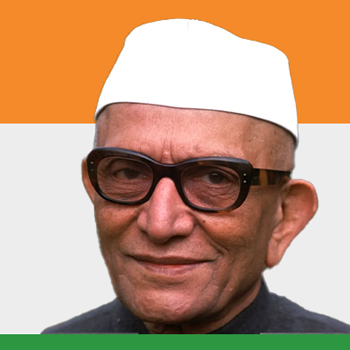
Shri Morarji Desai, born on February 29, 1896, in Bhadeli village near Valsad, Gujarat, stands as a towering figure in India's independence struggle and post-independence politics, serving as the nati
Read Full Article